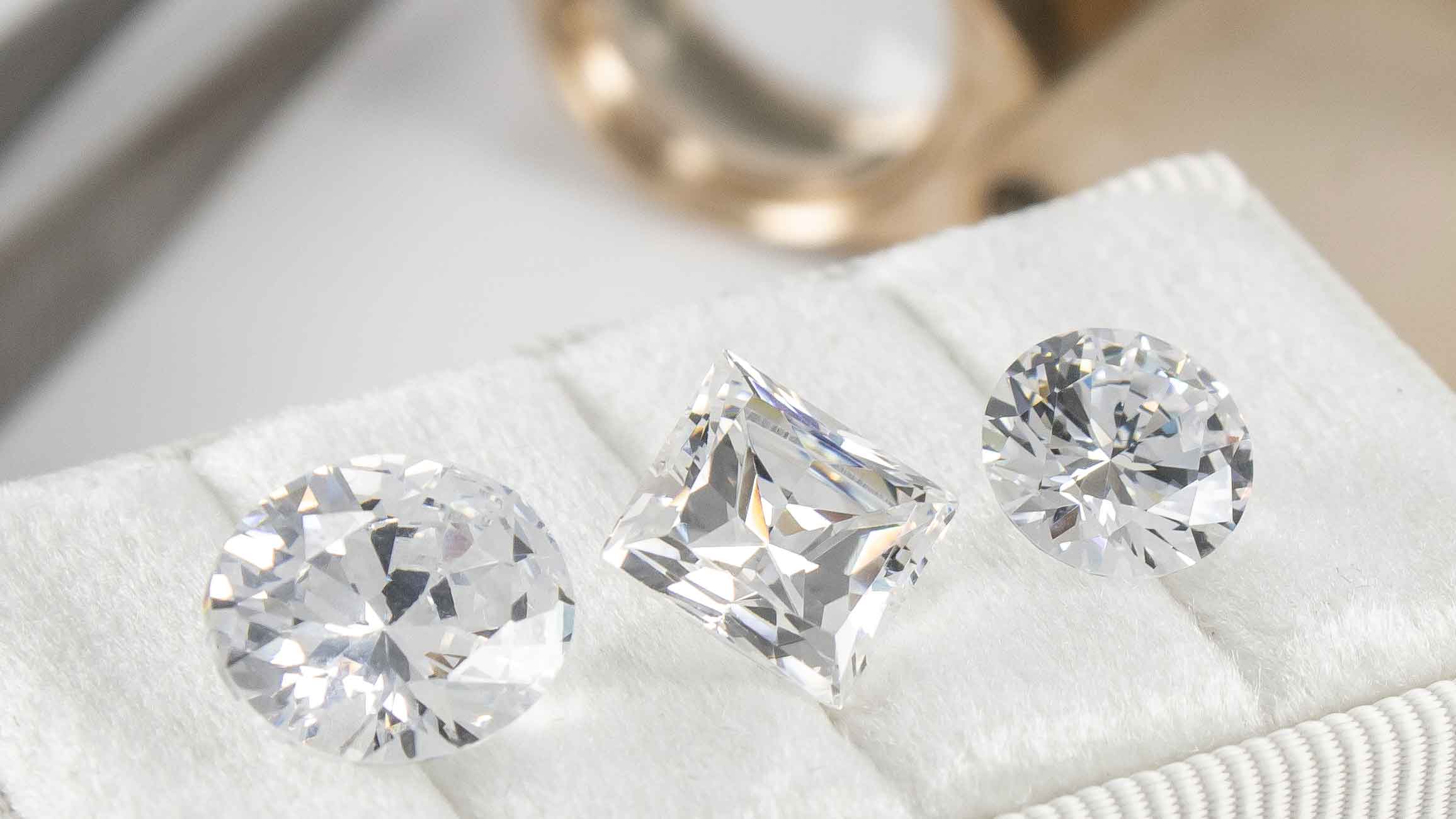

Man Made Diamonds What To Know
Real diamonds can be made people. Not fakes, these stones match natural ones right down to their atoms. Identical hardness, sparkle, and makeup – just born on lab benches instead of deep rock. Formed fast under precise settings, not stretched across eons below ground. What comes out passes every test a mined gem would. You might look at cost, conscience, or how well it lasts before deciding. Finding out whether your choice is wise? It can be – provided you spot the right signs. That clarity makes all the difference.
How lab grown diamonds are made
Fake diamonds come in two types, depending on how they’re built. One way uses heat plus pressure to form them slowly over time. The other runs a strong electric current through carbon until it grows into a gem. Each path ends with a stone that looks just like the ones dug up from deep underground.
- High Pressure High Temperature also known as HPHT
- Chemical Vapor Deposition known as CVD
Deep underground forces shape how HPHT works. From a gas packed with carbon, layers build slowly in CVD. Real diamonds come out of both ways. Just because it grows differently doesn’t mean one is greater. A stone’s clarity shifts based on how it’s shaped once grown. If browsing sellers across the UK, find out what technique shaped it – yet let the certification guide your view more than how it was made.
Buyers in the UK Opt for Lab Grown Choices
One factor? The price tag. man made diamonds usually run 30 to 50 percent below natural ones that look just like them. Because of this gap, picking a bigger size or cleaner gem won’t stretch your wallet. Think about it – what buys an 0.8 carat earth mined diamond could get you a 1.2 carat version made in a lab, same quality. Then there’s how it feels. Doing things the right way counts. One reason people choose lab diamonds? They skip the massive mines dug into earth. For some, it’s about seeing exactly where things come from – no guessing games. Stock levels matter too. Sizes and quality options sit ready, no need to chase scarce finds underground. Scanning through UK sellers listing top lab grown stones, most weigh these points beside mined alternatives.
How to Judge Quality Properly
A person checks lab grown diamonds much like natural ones. Criteria? Still cut, clarity, color, carat.
Cut
Light dances best in a finely shaped stone. Though clarity shines bright, it means little without proper angles. When proportions fall short, brilliance fades fast. Even top scores in colour won’t fix bad geometry. Choose only those marked ideal or excellent – nothing less keeps the fire alive.
Colour
Starting at D, gems show no hint of colour. As letters climb toward Z, a warm tint slowly shows up. From D to H sits the usual pick for ring shoppers. Though D through F seem nearly alike when looked at, costs shift sharply. Eye can miss the change, yet numbers on tags do not lie.
Clarity
Inside a diamond, tiny marks can show up – these are what clarity checks. Grades often used start from low to high like this:
- FL or IF which means flawless or internally flawless
- VVS1 and VVS2 which have very slight inclusions
- Varying a little in clarity, VS1 holds tiny flaws. Meanwhile, VS2 carries minute marks visible under magnification
- Under a lens, SI1 shows flaws you can spot. What stands out is how even slight marks appear clear when enlarged. Enlarged views reveal imperfections within SI2 too. Noticeable traits emerge at higher zoom levels here as well
A closer look at VS1 or VS2 might surprise you – clear enough to please the eye, yet gentle on the budget. What stands out is how they manage both traits without tipping too far either way.
Carat
A diamond’s weight is measured carat, not how big it looks. Bigger natural stones show up less often in mining results. When it comes to lab made ones, high carats come easier. Think about the look you’re after before checking specs.
Certification Matters
A smart move means picking a certified gem every time. When shopping in the UK, trust grades backed known labs – think GIA or IGI. These papers spell out the four Cs while proving the diamond came from a lab. Skip the paperwork, and you are stuck believing just words from the vendor. Always check the complete report before deciding. A number on the certificate should match what’s etched on the stone, if there’s a mark at all. Look into UK sellers of lab grown diamonds – your starting point? Check their certifications before anything else.
Where to Buy in the UK
Three choices sit in front of you
- A long-standing jewellery shop on a busy shopping street
- Online diamond specialists
- Bespoke independent jewellers
Walking into a shop lets you see rings up close, plus trusted names feel familiar. Still, rent and staff add cost, so prices climb. Websites pack more choices into one place while keeping prices low. Counting on clear photos, clips, and paperwork becomes key when buying unseen. A single jeweler might craft something made just for you. When that happens, your selected gem gets its own special home. Look at several options first
- Return policies
- Warranty terms
- Resizing services
- Aftercare support
Look past the gem itself. How it’s held, how you’re treated – those count too.
Resale And Long Term Value
Picture this: lab diamonds usually sell for less later. Unlike natural ones, they lose more value fast. Hoping to grow wealth? Diamonds hardly ever work well. Want something lovely without stretching funds? Then created gems fit just right. See it as what it means to you, not what cash you might get back.
Choosing With Confidence
Your wallet comes first. Once you know how much you can spend, pick a carat size that fits your taste. The next thing? A sharp cut – make sure it sparkles well. Instead of chasing perfect grades, match colour and clarity so flaws stay hidden without help from a loupe. A single-carat diamond might catch your eye – go for one with top-tier cut, G shade, plus VS2 purity. Brightness shows well to casual looks, still fits sensible spending limits. Hunting through deals tagged Best Lab Grown Diamonds UK? What you’re actually weighing is how sharp the facets are, how solid the grading feels, whether the vendor seems honest. Pause longer than expected. Check reports closely. Get answers on anything unclear. Line up three choices minimum before settling.
Common Questions
Are man made diamonds real diamonds?
Fine. Identical in makeup and behavior to natural diamonds, down to every detail. Not at all like cubic zirconia – nothing fake about them.
Lab created stones hold up just like mined gems over time. Their durability matches earth-mined versions.
Years pass, both keep their shine.
Built the same way, they wear similarly. One doesn’t outlast the other.
True enough. Just as tough, just as long-lasting. With the right attention, they endure through decades – sometimes much longer.
Is it possible to spot the contrast using just your eyes?
A trained glance won’t spot the difference – both shine just alike under normal light. Only tools built for the task can tell where it came from.