What You Need to Know First
When you search for hpht vs cvd you want a clear picture of how diamonds grow and how this affects what you buy. You want simple facts that help you judge quality and value without clutter. This article gives you a direct look at lab diamonds and how they fit into your choices as a buyer.
How Lab Diamonds Are Made
Lab diamonds grow from carbon in controlled conditions. They form in the same crystal structure as mined diamonds. The growth environment shapes clarity, color and crystal stability. This is why understanding production methods helps you judge what you see in a grading report.
The HPHT process places carbon under high heat and high pressure. It mirrors conditions deep in the earth. The CVD process places carbon in a low pressure chamber and builds the diamond layer layer. Both methods create real diamonds. They only differ in growth path and how the final crystal might look under close inspection.
Where Lab Diamonds Fit Into Your Decision
You choose lab diamonds for control and transparency. You see clear grading rules and you know the origin is controlled. You avoid guesswork. This helps when you want strict color or clarity targets.
Lab diamonds also give you predictable pricing. You compare stones with ease because the market is consistent. When you look at two stones you can judge what you gain for each price step.
How To Judge Quality
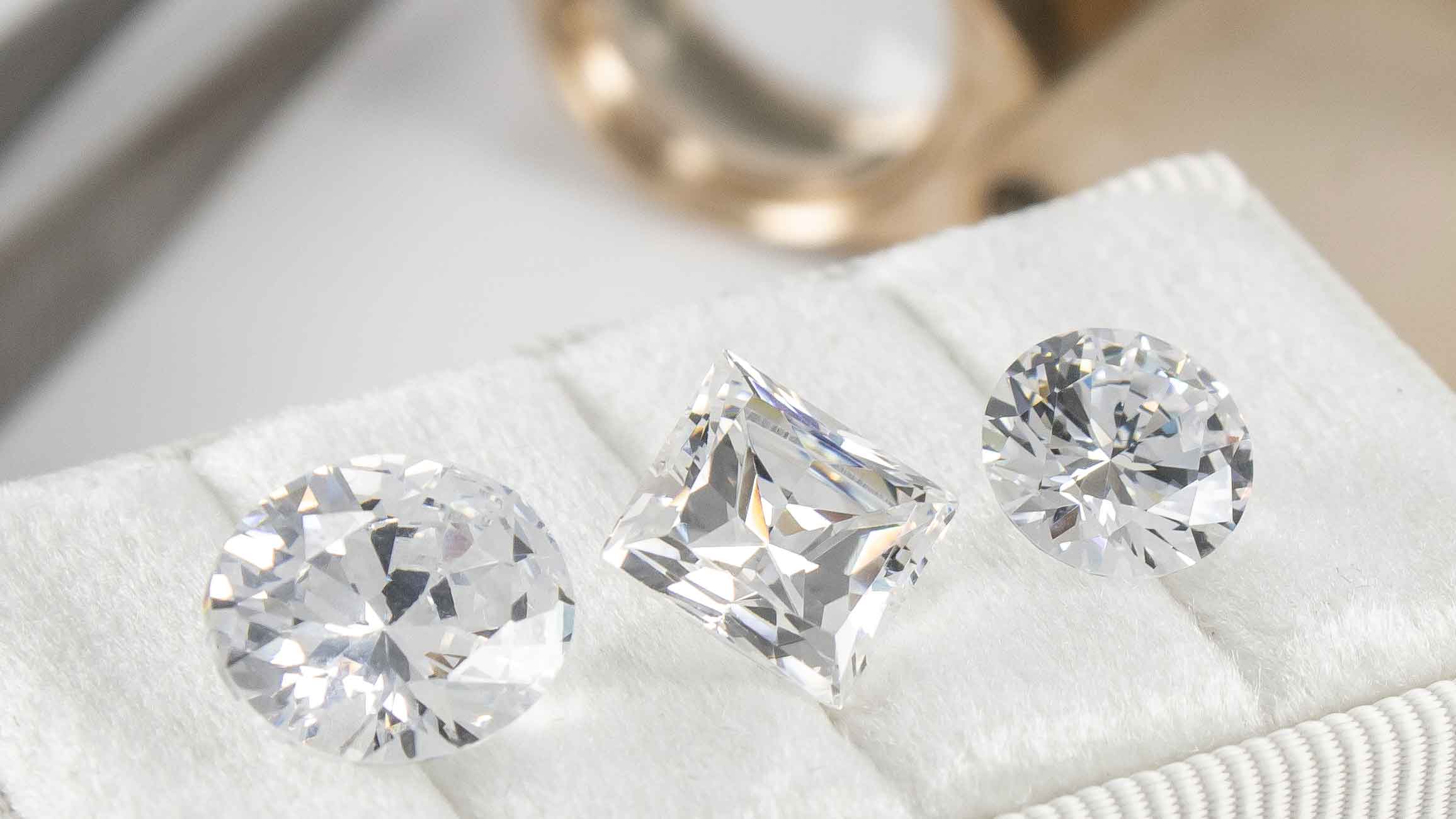
Your choices should follow a simple path. Focus on shape, size, cut, color and clarity. Cut changes how the diamond behaves in light. It has more impact than any other factor. Color and clarity matter when you want a clean and bright look. Size is a budget choice.
Use your eyes first. Certification guides you but sight confirms your comfort.
Example:
A one carat round diamond with strong cut will often look brighter than a larger stone with weak cut.
How HPHT and CVD Influence What You See
You may see hpht vs cvd discussed as if one is better. The truth is that both methods can make top quality stones. The difference lies in typical traits and how they appear in the final product.
HPHT stones often show different internal patterns when viewed with magnification. CVD stones sometimes need a final heat treatment to improve color. These traits do not reduce the value of the stone when it is graded well. They only show how the diamond grew.
You should use these facts to read grading reports with more confidence.
Color and Clarity in Practice
Color grade affects how white the diamond appears. Many buyers choose stones in the near colorless range because they look bright without extra cost. Clarity grade shows how free the diamond is from internal marks.
A lab grown stone with VS clarity often looks clean to your eyes. If you want more value you can choose SI clarity when the marks fall near the edges. Always view the stone or inspect the report map before you decide.
Cut and Light Performance
Cut quality shapes the performance of the diamond. The angles and proportions create or limit sparkle. Poor proportions trap light and reduce brightness.
You can focus on stones graded Excellent or Ideal for strong performance. This takes risk out of your choice. When in doubt choose cut quality over extra size. You will see the difference every time you look at the stone.
How Lab Diamonds Compare to Natural Diamonds
Lab diamonds and natural diamonds share the same chemical and optical traits. Both score a 10 on the Mohs scale. Both show the same refractive behavior. What changes is origin and pricing.
You pay more for natural stones because supply is limited. You pay less for lab diamonds because production is controlled. The look stays the same. You judge both the same grading rules.
Example:
A one carat natural diamond and a one carat lab diamond with the same grades will look the same to most buyers.
Practical Buying Steps
Use a simple process when you shop.
- Set your size target first
- Choose the highest cut grade you can afford
- Pick a color that looks bright to your eyes
- Choose clarity that looks clean when viewed
- Compare prices across sellers
Keep notes as you compare. This helps you see where you gain or lose value.
How to Read Certification
A grading report gives you color and clarity details, cut grade and measurements. Study the plot diagram and note where marks sit on the stone. A clean table area often looks better even when clarity grade is moderate.
Look for laser inscription on the girdle. This confirms identity. Most lab diamonds ship with this feature and it removes doubt.
Why Some Buyers Prefer Lab Diamonds
Many buyers choose lab diamonds because decisions feel simpler. You remove the unknowns tied to mining origin. You focus on cut, color and clarity. You also gain room in your budget to reach a size or quality you want.
The market accepts lab diamonds as real diamonds. Jewelers set them in the same metals. You care only about grade and appearance.
How To Care for Your Diamond
Lab diamonds need the same care as mined diamonds. Clean them with mild soap and warm water. Use a soft brush to reach the underside. Store the diamond away from other jewelry that might scratch the metal.
Avoid harsh chemicals. They do not harm the diamond but can dull the setting.
Example:
A quick soak in warm soapy water lifts oils that reduce sparkle.
Key Trade Offs
When you buy lab diamonds you gain predictable pricing and clear grading. You lose the rarity factor of mined stones. For many buyers this does not matter. For others rarity is part of the appeal.
Your choice should reflect how you view value. If you want the best visual result for your budget then lab diamonds give you more room to reach your goals.
Reading Market Trends
Prices of lab grown stones shift faster than natural stones. You benefit from this if you buy now because you can reach higher grades at lower cost. If you plan to resell the diamond later you may not recover what you paid. Most buyers do not purchase diamonds for resale so this factor often matters less.
Final Thoughts for Smart Buyers
When you look at hpht vs cvd you look for clarity and direction. Both processes make real diamonds that serve your needs. Your goal is not to pick between the methods. Your goal is to pick a diamond that fits your taste, budget and standards. Lab diamonds give you a simple way to reach that result with confidence.
FAQ
Are lab diamonds real diamonds
Yes. They have the same structure and properties as mined diamonds.
Do lab diamonds hold value
Lab diamonds usually have lower resale value. Most buyers choose them for use rather than resale.
Which is better HPHT or CVD
Both can produce high quality stones. Focus on the grading results and not the method.