


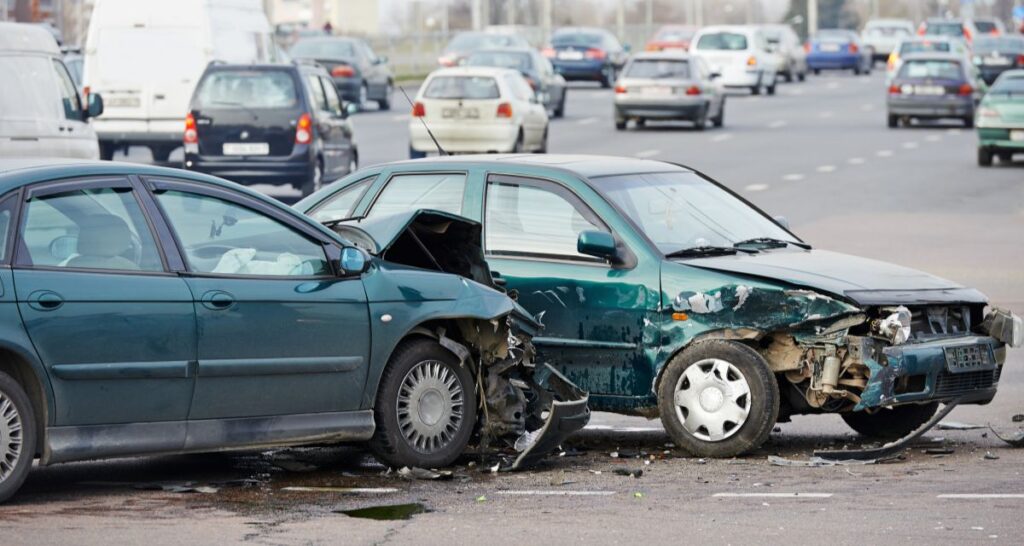
Car accidents can happen to anyone, anywhere, and at any time. In Vermont, with its winding mountain roads, seasonal weather challenges, and busy interstate corridors, motor vehicle accidents unfortunately occur with concerning frequency. When you find yourself involved in a collision, understanding your legal rights and knowing when to consult a car accident lawyer in Vermont can make a significant difference in protecting your interests and securing fair compensation.
Vermont’s Unique Legal Landscape for Car Accidents
Vermont operates under a fault-based insurance system, which means the driver responsible for causing the accident is liable for damages. This differs from no-fault states where each driver’s insurance covers their own expenses regardless of who caused the crash. Under Vermont’s system, the at-fault driver’s insurance company is responsible for covering medical expenses, property damage, lost wages, and other losses suffered the injured party.
The state also follows comparative negligence rules, meaning that if you bear some responsibility for the accident, your compensation may be reduced proportionally. For example, if you are found to be 20% at fault for an accident, your compensation would be reduced that percentage. However, Vermont allows recovery as long as you are less than 51% responsible for the collision.
When Legal Representation Becomes Essential
While minor fender-benders with no injuries might be resolved through direct insurance negotiations, several circumstances warrant consulting with a qualified attorney. Serious injuries requiring extensive medical treatment create complex compensation calculations that insurance companies often undervalue. When fault is disputed between parties, having legal expertise becomes crucial for protecting your version of events and gathering supporting evidence.
Insurance companies employ trained adjusters and lawyers whose primary goal is minimizing payouts. When facing these professionals alone, accident victims often accept settlements far below what they deserve. An experienced car accident lawyer in Vermont understands the tactics used insurance companies and can negotiate effectively on your behalf.
Additionally, Vermont’s statute of limitations gives you three years from the date of the accident to file a lawsuit. While this may seem like ample time, building a strong case requires immediate action to preserve evidence, interview witnesses, and document the full extent of your injuries and damages.
Types of Compensation Available
Understanding the various types of damages you may be entitled to receive is essential for evaluating any settlement offer. Economic damages include quantifiable losses such as medical expenses, rehabilitation costs, prescription medications, medical equipment, lost wages, and reduced earning capacity. These damages are typically easier to calculate because they involve concrete financial losses with supporting documentation.
Non-economic damages compensate for intangible losses that significantly impact your quality of life. Pain and suffering, emotional distress, loss of enjoyment of life, and permanent disfigurement fall into this category. While more difficult to quantify, these damages often represent a substantial portion of fair compensation, particularly in cases involving severe or permanent injuries.
In rare cases involving particularly reckless or intentional conduct, punitive damages may be awarded to punish the wrongdoer and deter similar behavior in the future.
The Investigation and Evidence Gathering Process
Building a successful car accident case requires thorough investigation and evidence collection. This process begins at the accident scene with police reports, witness statements, and photographic documentation of vehicle damage, road conditions, and traffic control devices.
Medical records and expert testimony help establish the extent of injuries and their connection to the accident. In complex cases, accident reconstruction experts may analyze skid marks, vehicle damage patterns, and road conditions to determine exactly how the collision occurred.
Your attorney will also gather employment records to document lost wages, obtain repair estimates for property damage, and collect any available surveillance footage from near businesses or traffic cameras.
Insurance Company Tactics and Negotiations
Insurance companies employ various strategies to minimize claim payouts. They may offer quick settlements before the full extent of injuries is known, use recorded statements to find inconsistencies in your account, or delay processing claims hoping you’ll accept a lower offer out of financial desperation.
Some insurers will argue that your injuries were pre-existing or unrelated to the accident, or claim that the medical treatment you received was excessive or unnecessary. They may also dispute fault, arguing that you contributed to the accident more than the evidence supports.
An experienced attorney understands these tactics and can counter them effectively. They know how to value claims properly, including future medical expenses and long-term impacts that may not be immediately apparent.
Choosing the Right Legal Representation
When selecting legal representation, look for attorneys with specific experience handling car accident cases in Vermont. Local knowledge of state laws, court procedures, and insurance company practices provides significant advantages. Consider their track record of successful settlements and trial verdicts, as well as their willingness to take cases to court when necessary.
Most car accident lawyers work on a contingency fee basis, meaning they only get paid if they recover compensation for you. This arrangement allows accident victims to access quality legal representation without upfront costs.
Key Takeaways
Navigating the aftermath of a car accident in Vermont involves understanding complex legal and insurance principles that can significantly impact your financial recovery. While minor accidents may be resolved independently, serious injuries, disputed fault, or inadequate insurance offers warrant professional legal assistance. A qualified car accident lawyer in Vermont can protect your rights, handle negotiations with insurance companies, and ensure you receive fair compensation for all your losses. Remember that time limits apply to legal action, so prompt consultation with an attorney helps preserve all available options for recovery.